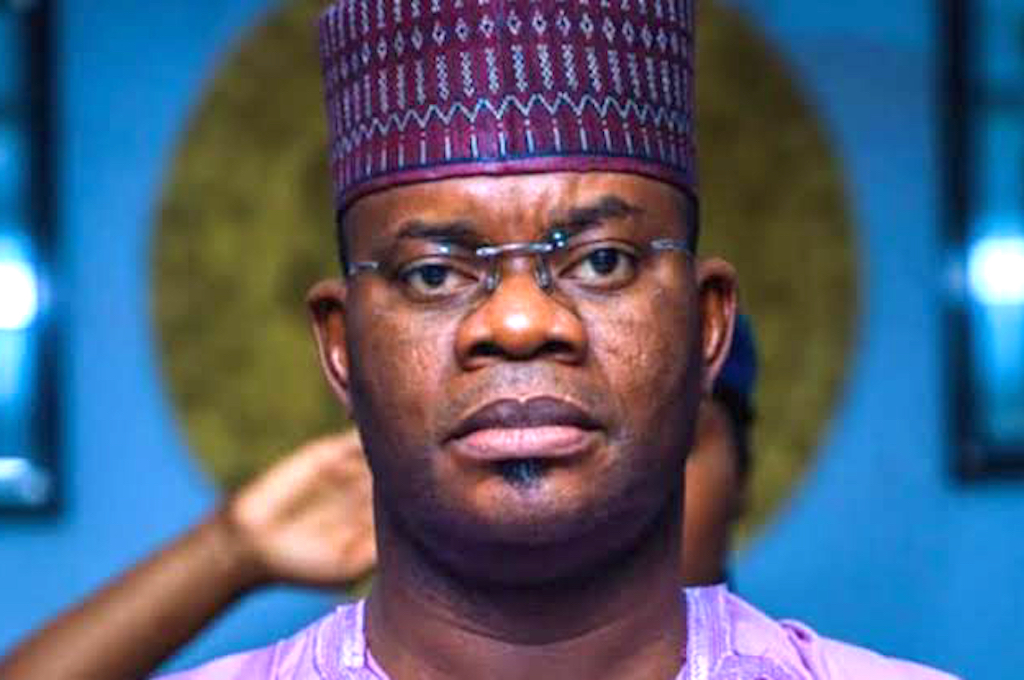


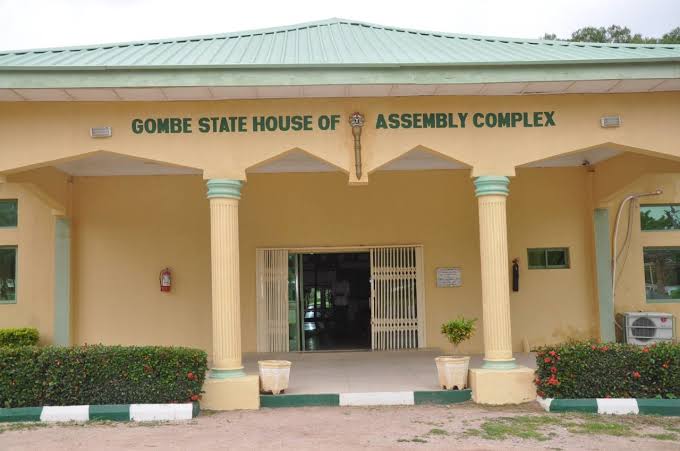
The final opposition lawmaker, Yakubu Daniel, who represents Billiri East Constituency, defected from the Peoples Democratic Party (PDP) to the APC in April, 2026, ending the party’s representation in the Assembly.
His defection followed a series of cross carpeting by opposition lawmakers, including Gabriel Galadima Fushison of Kaltungo West and Malon Nimrod Yari of Shongom, who joined the ruling party in January.
With the defections, the APC secured control of all 24 seats in the legislature, leaving the Assembly without a formal opposition caucus for the first time in the current political configuration.
Governor Muhammadu Inuwa Yahaya described the development as evidence of growing confidence in his administration, attributing it to what he called its inclusive governance, transparency and commitment to service delivery.
The lawmakers who defected also cited the governor’s leadership style, accessibility and equitable distribution of development projects as reasons for their decisions.
However, the development has since then brought renewed attention to the relationship between the executive and legislative arms of government, particularly whether a legislature dominated entirely by the governor’s political party can independently scrutinise government policies, expenditure and administrative decisions.
Under Nigeria’s presidential system of government, the legislature is constitutionally empowered to make laws, approve public expenditure and exercise oversight over the executive. Its responsibility includes investigating the administration of public funds and exposing corruption, inefficiency and waste.
These powers are not dependent on whether the lawmakers belong to the ruling or opposition parties. However, political analysts question whether the absence of opposition representation affects the political dynamics in which these constitutional responsibilities are exercised.
Malam Adamu Maisallaya, a political commentator in Gombe, argued that in a legislature where every member belongs to the governor’s party, disagreements over government policies and spending may increasingly depend on internal party debates rather than competition between opposing political groups.
He suggests that although membership of the same political party does not automatically prevent lawmakers from questioning government decisions, the absence of an opposition caucus removes an institutional platform through which alternative political positions can be formally presented and sustained during legislative proceedings.
With allocations to infrastructure, education, healthcare, agriculture and other sectors, the Assembly has a responsibility to ensure that approved projects are executed according to specifications and that public funds are properly accounted for.
For instance, lawmakers can summon commissioners and heads of government agencies to explain expenditure, investigate abandoned projects, examine procurement processes and demand explanations for discrepancies between budgetary allocations and actual implementation.
Whether the one party legislature will sustain such scrutiny, particularly where investigations involve politically influential officials, remains an important governance question.
Oversight activities
The Assembly’s recent activities provide some indication of the legislative responsibilities it continues to exercise.
In October 2026, lawmakers considered the proposed transfer of the General Hospital in Billiri and the Snakebite Hospital in Kaltungo to the Federal Government for conversion into specialised referral centres.
The House also advanced a bill seeking to establish a legal framework for addressing maternal and child mortality in the state. In the same period, it received the 2025 reports of the state and local government Auditors-General and referred them to the Public Accounts Committee for examination.
On October 23, the Assembly also unanimously adopted a committee report supporting a proposed constitutional amendment to establish state police services.
These activities show that the House remains involved in legislative and policy matters affecting the state. However, some commentators believe that the existence of legislative activities alone does not establish the quality or independence of oversight.
Maisallaya maintained that members of the State House of Assembly are elected to represent constituencies, not merely political parties, with their responsibilities extending to all constituents, including those who voted for opposition candidates.
“Although the APC’s control of all 24 seats does not remove the right of opposition supporters to participate in politics, it means they no longer have a lawmaker belonging to their preferred parties to articulate their positions within the legislature.
“This could affect how alternative political views are presented during debates, public hearings and discussions on policies that directly affect residents. The absence of opposition lawmakers does not necessarily mean that the Assembly will operate without disagreements,” he said.
Gombe’s democracy
Ezra Daniel, a resident of Cham in Balanga Local Government, suggested that, with the 2027 general elections approaching, the political development presents an opportunity to examine the relationship between party dominance and democratic accountability in the state.
He maintained that the APC’s control of all legislative seats may make coordination between the executive and legislature easier, particularly in implementing policies and passing government proposals.
However, he said effective governance also requires independent scrutiny, transparency, public participation and the willingness to question decisions that may not serve the wider public interest.
Yet, he added that the most important consideration is not which political party occupies the Assembly but whether their elected representatives are adequately protecting their interests and ensuring that public resources are properly managed.
We’ve got the edge. Get real-time reports, breaking scoops, and exclusive angles delivered straight to your phone. Don’t settle for stale news. Join LEADERSHIP NEWS on WhatsApp for 24/7 updates →