

Sahara Group is urging African companies to put more of their own capital into energy infrastructure, pointing to its liquefied petroleum gas venture with Côte d’Ivoire’s state oil company as a model.
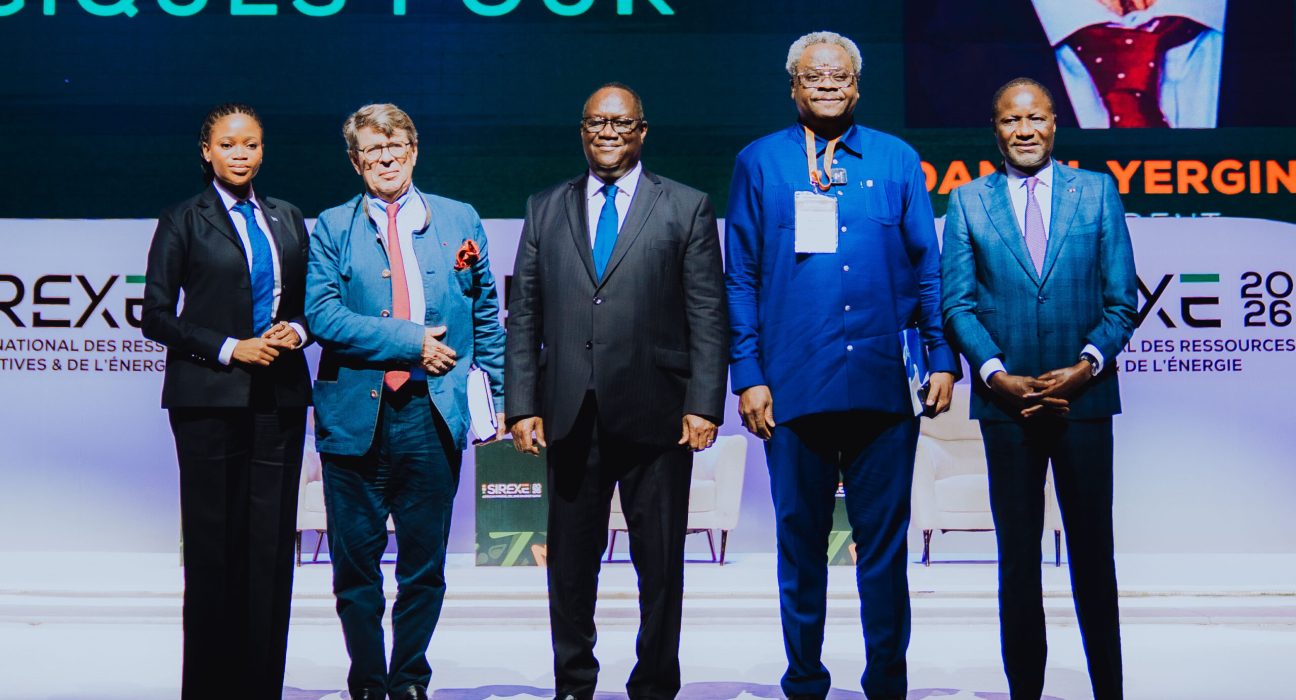
Kola Adesina, group managing director of Sahara Power Enterprise Group, made the case at the 2026 Salon International des Ressources Extractives et de l’Énergie, known as SIREXE, in Abidjan.
He was speaking on a panel about geopolitics and international oil and gas logistics.
Adesina said Africa has to turn its energy resources into economic value by building processing, distribution and usage capacity at home, rather than shipping out raw materials and buying back finished goods.
“Having natural resources is an advantage, but the real value lies in what we build around them,” he said. “Africa must move beyond exporting raw materials and importing finished products. We need to develop the capacity to process, distribute and use our resources to power industries, create jobs, and compete in global markets.”
Côte d’Ivoire template
Adesina held up Côte d’Ivoire as proof that such partnerships work. Sahara and PETROCI, the national oil company, are collaborating to strengthen the country’s LPG supply chain and make access to energy more reliable.
The centrepiece is SAPET GAS, an 11,500-tonne LPG carrier brought in to improve the transport and security of butane supplies into the country. It is backed by investment in LPG storage in Abidjan.
Through SAPET Energy, the two sides are also developing a 12,000-metric-tonne LPG storage facility, with further expansion planned. According to the company, the infrastructure has cut demurrage costs tied to LPG supply logistics, improved supply efficiency and widened access to cleaner energy for households and businesses.
“The SAPET GAS partnership is a practical example of what value addition looks like,” Adesina said. “It brings together local market knowledge, national priorities, investment and operating capability to address a real energy need. The value is not simply in owning an asset; it is in what that asset makes possible for the market and the people it serves.”
He said such deals show African institutions and businesses can build solutions suited to the continent’s needs while keeping more of the economic value within Africa.
Wider footprint
Sahara is applying the same infrastructure-led LPG approach elsewhere on the continent. In Ghana, it has commissioned an LPG storage facility and deployed MT Asharami Ghana, a dedicated LPG vessel supporting supply and distribution. In Kenya, it recently broke ground on a 30,000-metric-tonne LPG storage terminal, extending its reach into East Africa.
These assets sit alongside the group’s growing LPG shipping capacity through WAGL Energy, a joint venture with NNPC Limited. Together they form an increasingly integrated network linking maritime transport, storage, supply and distribution across African markets.
Adesina said the energy transition gives Africa a chance to build stronger homegrown businesses and supply chains, while drawing the capital and expertise needed to close infrastructure gaps and expand access to energy.
He said the strategy fits Sahara’s broader corporate proposition, which builds on three decades of operating experience and aims at a new phase of growth, innovation and impact.
“Sahara will continue collaborating with PETROCI and other partners to advance investments that strengthen energy security, and expand cleaner energy access across Africa,” he said.