

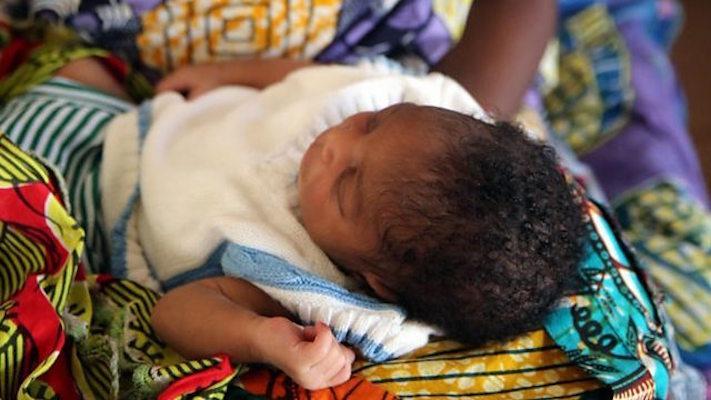
Nigeria recorded an increase in neonatal mortality over six years, with deaths among newborns rising from 39 per 1,000 live births in 2018 to 41 in 2024.
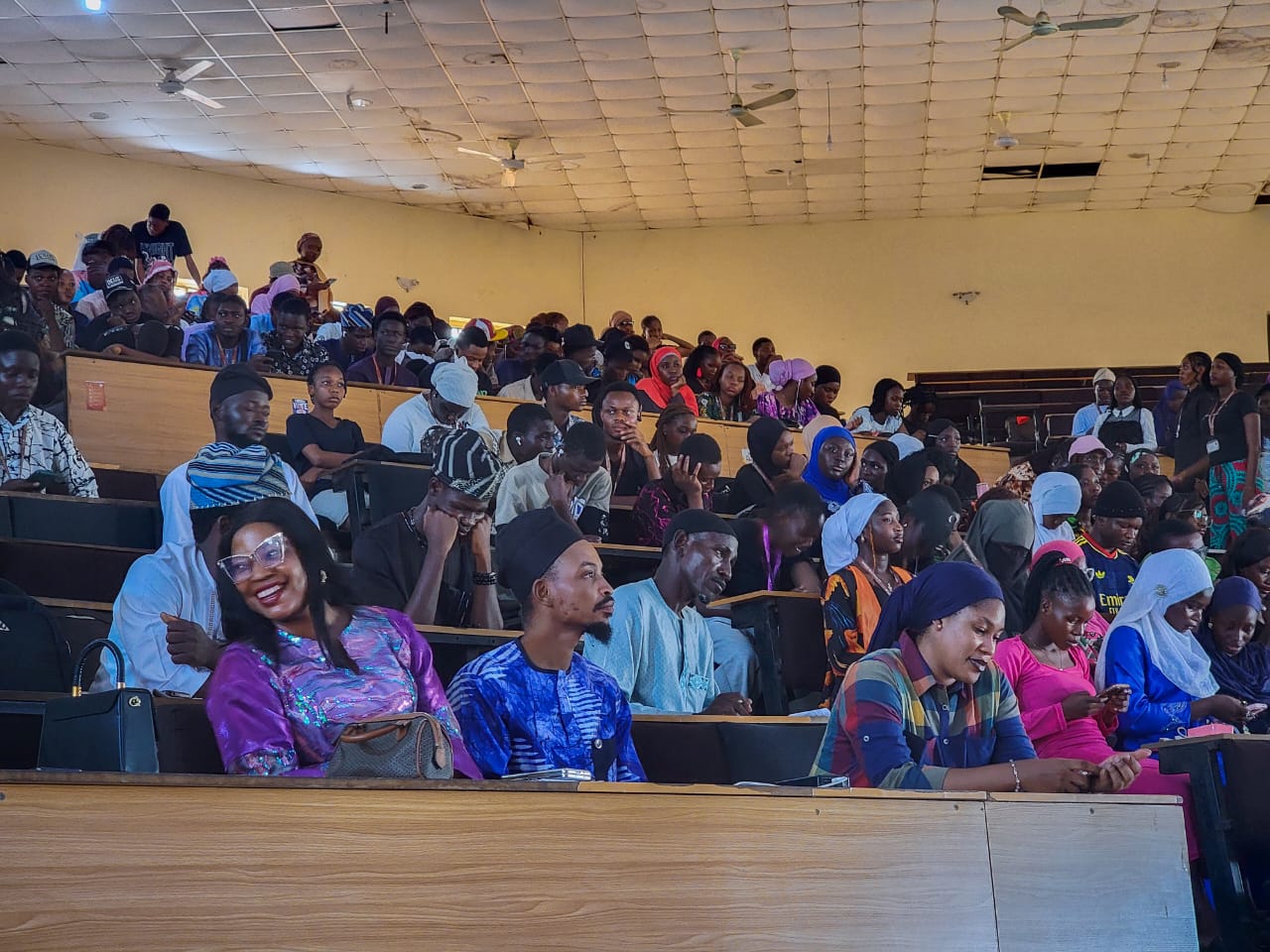
Muhammad Pate, Coordinating Minister of Health and Social Welfare, disclosed this at the joint commemoration of World Prematurity Day and World Pneumonia Day in Abuja. Pate, who was represented by John Ovuoreye, Director of Health Planning, Research and Statistics in the ministry, said the rising neonatal mortality rate underscored the need for sustained interventions to prevent newborn deaths.
He noted that although Nigeria’s under-five mortality rate declined from 132 deaths per 1,000 live births in 2018 to 110 in 2024, the increase in neonatal deaths remained a major concern.
The minister reaffirmed the Federal Government’s commitment to reducing preventable newborn and childhood deaths through improved healthcare services, access to essential medicines, skilled health personnel and effective follow-up care for premature babies.
He said the government was strengthening child survival interventions through the Nigeria Health Sector Renewal Investment Initiative and the Sector-Wide Approach, including the implementation of the Nigerian Child Survival Action Plan 2025–2029.
Read also: Rwanda pushes policy rate to 17-year high to tame runaway inflation
According to him, the plan prioritises newborn care, immunisation, nutrition, timely treatment and effective referral systems. Pate also highlighted efforts to expand the World Health Organisation’s Essential Newborn Care 2.0 package, review the National Comprehensive Newborn Care Protocol Package and improve neonatal nursing education through competency-based training and bedside mentorship.
He said the government was also working to improve access to essential newborn care commodities, respiratory support equipment and medicines, including caffeine citrate used in managing apnoea of prematurity, a condition in which premature babies experience pauses in breathing.
The minister stressed that the survival of premature babies must be supported by continued care after discharge from health facilities, including monitoring of feeding, growth, development, hearing and vision, as well as early identification of complications.
On childhood pneumonia, he emphasised routine immunisation, including pneumococcal vaccination, exclusive breastfeeding, proper nutrition, early recognition of danger signs and prompt treatment.
He also acknowledged the ministry’s collaboration with the Paediatric Association of Nigeria and the Every Breath Counts Coalition to strengthen standardised treatment protocols for severe and complicated pneumonia cases.
Daju Kachollom, Permanent Secretary of the ministry, said premature and low-birth-weight babies were particularly vulnerable to complications requiring timely and quality medical attention.
Represented by Ahmed Ozi, Director of Family Health, she identified essential newborn care, immunisation, nutrition, early recognition of danger signs, access to oxygen and quality treatment as critical interventions for improving survival.
She urged state governments, development partners, professional associations, communities and the media to strengthen collaboration and translate advocacy into practical action.
The World Health Organisation, through its representative, Mary Brantuo, Team Lead, Health Systems and Services, also stressed that premature babies require sustained medical attention beyond discharge from neonatal intensive care units.
Read also: Beyond harvest: Five entrepreneurs turning Nigerian agriculture into industry
Brantuo said regular monitoring, developmental assessments, specialised support and timely medical interventions were essential to their survival and long-term wellbeing.
She noted that approximately 15 million babies are born prematurely worldwide every year, with prematurity remaining a major contributor to neonatal deaths in Nigeria.
Victoria Isiremen, Maternal and Newborn Health Specialist at UNICEF Nigeria, highlighted the importance of early breastfeeding, essential newborn care, skilled community services and improved neonatal healthcare.
The Paediatric Association of Nigeria also called for national protocols and guidelines for the follow-up care of premature babies, covering growth and developmental monitoring, nutrition, screening, early intervention, parental education and psychosocial support.