

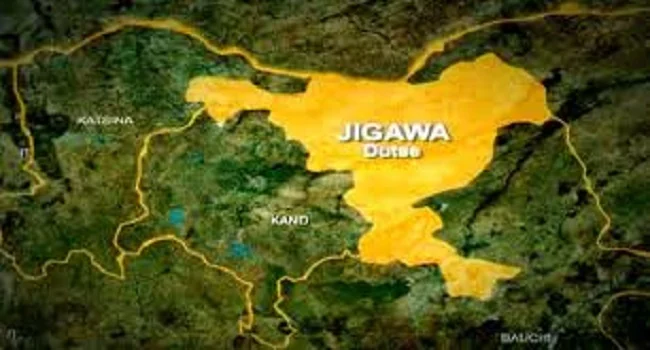
The Jigawa Maternal, Newborn and Child Health Accountability Forum (JiMAF) has decried poor implementation of the state’s health sector budget, warning that inadequate funding and slow budget execution could undermine efforts to improve maternal, newborn and child health outcomes.
The forum said only 35.1 per cent of the 2026 health sector budget was implemented between January and September, raising concerns about the delivery of critical healthcare projects and programmes across the state.
This was contained in a statement signed by JiMAF Acting Chairman, Comrade Isah Mustapha, and made available to our reporter in Dutse.
JiMAF, a coalition of civil society organisations, media practitioners and government representatives working to reduce maternal and child morbidity and mortality, said its review of the 2026 third-quarter health sector budget implementation report showed that budget performance stood at 13.7 per cent in the third quarter, bringing the cumulative implementation rate for the first nine months to 35.1 per cent.
The forum warned that, at the current rate, the sector might struggle to achieve even 50 per cent budget implementation by the end of the financial year, potentially leaving several critical health projects and programmes uncompleted.
ALSO READ: Ex-Niger Delta militants join Tinubu’s re-election mobilisation in South-West
It noted that the poor budget performance came against the backdrop of worrying maternal and child health indicators in the state.
According to findings from the Nigeria Mini-Demographic and Health Survey, only 20.6 per cent of births in Jigawa take place in health facilities, while the prevalence of modern contraceptive use among married women stands at 2.8 per cent.
The survey also indicated that 56.3 per cent of children under five in the state are stunted, while exclusive breastfeeding among infants aged zero to five months stands at 23.1 per cent.
The forum added that many children continued to suffer from preventable illnesses, including fever and diarrhoea.
JiMAF further observed that although health remains a critical social sector, it received only 8.8 per cent of the Jigawa State 2026 budget, falling short of the 15 per cent allocation benchmark under the Abuja Declaration.
It expressed particular concern over capital expenditure performance, which stood at 7.7 per cent in the third quarter and 24.1 per cent cumulatively between the first and third quarters.
The statement disclosed that out of 124 planned capital health interventions, only 58 projects received funding during the period under review.
While acknowledging the Jigawa State Government’s efforts to revitalise healthcare facilities, implement health equity initiatives, support primary healthcare reforms and recruit additional health workers, the forum stressed the need for increased investment and improved budget execution to translate these interventions into measurable improvements in health outcomes.
Consequently, JiMAF called on the state government, the House of Assembly, relevant ministries, departments and agencies, development partners and other stakeholders to take urgent steps to address the funding and implementation gaps.
It urged the government to increase health sector allocation towards the 15 per cent Abuja Declaration benchmark and ensure the timely release and utilisation of approved funds.
The forum also called for the prioritisation of maternal, newborn and child health and nutrition interventions, particularly in underserved communities, as well as accelerated implementation of health infrastructure, equipment and primary healthcare projects.
Other recommendations include increased funding for family planning, immunisation, community outreach, nutrition programmes and supportive supervision.
It further advocated regular reviews of budget performance to strengthen transparency, accountability and value for money in the health sector.
JiMAF reaffirmed its commitment to working with the government, civil society organisations, development partners and communities to promote evidence-based advocacy and strengthen accountability, with a view to ensuring access to quality and affordable healthcare services for women, children and families across Jigawa State.
WATCH TOP VIDEOS FROM NIGERIAN TRIBUNE TV