

The Federal Government has challenged state governments to ensure that the N3.3 trillion allocated to the health sector in their 2026 budgets translates into measurable improvements in healthcare delivery, insisting that increased funding must be matched with accountability and tangible results.
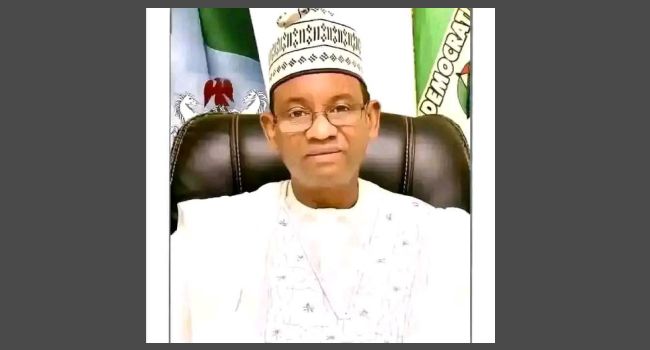
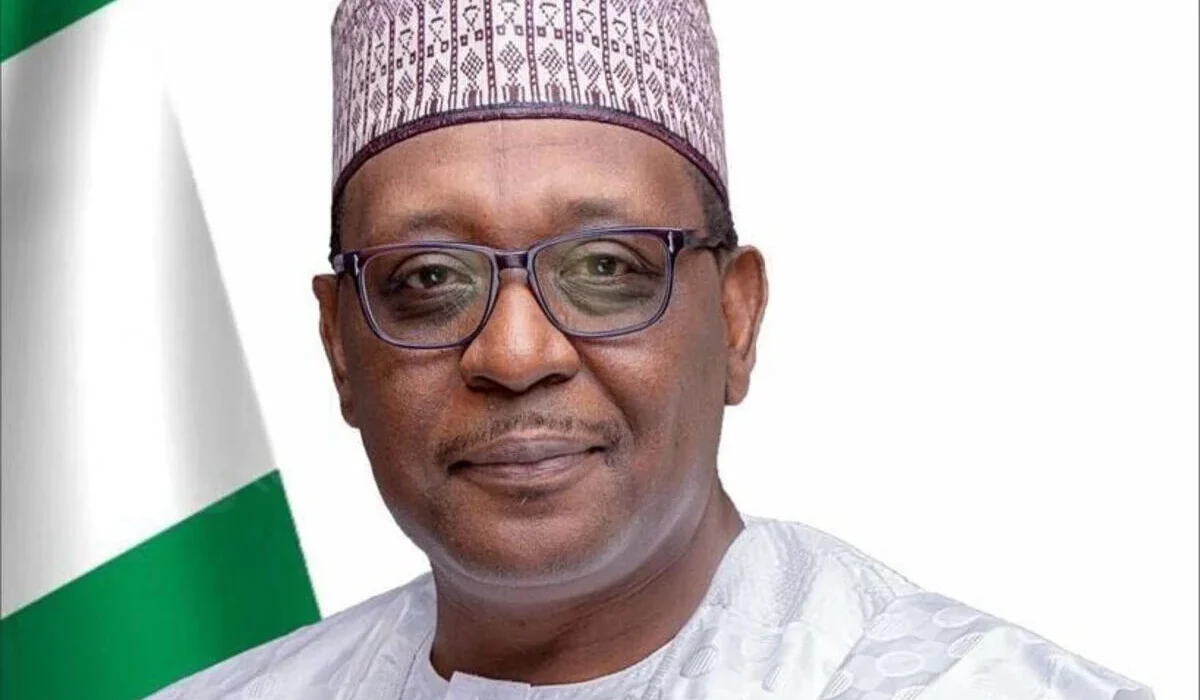
The Coordinating Minister of Health and Social Welfare, Prof. Muhammad Ali Pate, gave the charge on Thursday at the opening of the 67th National Council on Health in Lafia, Nasarawa State, where he expressed concern over gaps in the implementation of health sector resolutions despite increased government spending.
The 67th National Council on Health, themed “From Commitments to Results: Delivering Quality and Equitable Healthcare for All Nigerians,” brought together federal and state health commissioners, permanent secretaries, heads of health agencies, development partners, traditional rulers, professional associations and other stakeholders to deliberate on the country’s health sector priorities.
Pate disclosed that state health budgets had risen from N1.97tn in 2023 to more than N3.3tn in 2026, commending governors, commissioners and heads of state health agencies for the increase.
He, however, stressed that the priority should now be to ensure that the funds translate into improved access to quality healthcare, particularly at the primary healthcare level.
The minister said the Federal and state governments must strengthen accountability for resolutions adopted at the National Council on Health, noting that the average implementation score of the 20 resolutions agreed upon at the 2025 council in Calabar was slightly above 50 per cent.
He disclosed that implementation reached at least 50 per cent in 15 resolutions, with Niger, Benue, Akwa Ibom, Abia and Kogi states recording the highest reported scores.
Pate, however, said that although all 36 states and the Federal Capital Territory submitted returns, only 412 of the expected 740 reports were received, representing 56 per cent.
He added that no state reported on all 20 resolutions, while 10 states scored below 40 per cent.
The minister identified sodium reduction policies, cosmetics safety, cardiopulmonary resuscitation, larval source management and quality improvement as areas where implementation remained below 50 per cent.
“For each resolution, let us name the institution responsible, set a deadline and agree how to measure progress. I ask states to report quarterly through the Council’s resolutions dashboard,” he said.
He also called for independent verification of states’ implementation reports before the 68th National Council on Health.
Speaking on the broader health sector reforms, Pate said the Federal Government had recorded progress in 41 health sector commitments over the last three years, with 12 of the 13 national health indicators improving.
He attributed the progress to the Nigeria Health Sector Renewal Investment Initiative, launched by President Bola Tinubu in December 2023 alongside the 36 state governors, under a framework of one plan, one budget, one report and one conversation.
According to him, skilled birth deliveries in facilities supported by the Basic Health Care Provision Fund increased from 4.8 million in 2023 to almost eight million by mid-2026, while fourth antenatal care visits rose from six million to 8.7 million.
He said the emergency transport system had also become functional, bringing more than 100,000 women and newborns closer to healthcare services.
On primary healthcare development, Pate said revitalisation work was ongoing, with nearly 1,000 additional facilities undergoing work, while the proportion of BHCPF-supported facilities in Maternal and Neonatal Mortality Reduction Innovation Initiative areas with at least two midwives or community health extension workers had risen from 12 per cent to almost 91 per cent.
He added that nearly 20,000 skilled birth attendants had been recruited across 22 states, about 5,000 community health workers engaged in 10 states and almost 80,000 frontline health workers retrained.
On efforts to reduce the financial burden of healthcare, the minister said health insurance coverage had increased from 16 million Nigerians to nearly 24 million within three years.
He disclosed that the Free Emergency Obstetric Care Programme had covered more than 80,000 caesarean sections in two years, while over 15,000 Nigerians had received free 48-hour emergency care in 507 empanelled facilities.
Pate also said dialysis costs had been reduced by up to 80 per cent for more than 5,000 patients requiring the service.
On immunisation, he said the measles and rubella vaccination campaign reached more than 100 million children aged between nine months and 14 years, while over 17 million adolescent girls had received the Human Papillomavirus vaccine to prevent cervical cancer.
The minister further disclosed that 10 factories and production lines had been commissioned to manufacture medicines, rapid diagnostic test kits, mosquito nets and medical oxygen, six of which were commissioned in 2026.
He said Nigerian manufacturers had also benefited from more than N24bn in tax waivers under the Presidential Executive Order signed in June 2024.
However, Pate warned that declining development assistance for health required increased domestic financing and more efficient utilisation of available resources.
He recalled that following the decline in development assistance in 2025, President Tinubu requested, and the National Assembly approved, an additional N300bn to protect HIV, tuberculosis, malaria and polio immunisation services.
He said the 2023 and 2024 National Health Accounts showed that households continued to bear the largest share of healthcare expenditure, while government allocations remained below the 15 per cent target of the Abuja Declaration.
The minister urged states to increase their health budgets in 2027, ensure timely release of appropriated funds and use the BHCPF and state equity funds to enrol poor and vulnerable Nigerians in health insurance schemes.
“An appropriation that is not released does not treat a single patient,” he said.
Pate also called on state governments to strengthen local pharmaceutical production and ensure reliable supplies of quality-assured medicines at affordable prices.
He said participation in the Federal Government’s Medipool pooled procurement arrangement would be based on written agreements with individual states.
On the health workforce, he said the council would consider recommendations on the protection of health workers from harassment, working hours, locum engagement and licensing arrangements for newly approved paramedic cadres.
He urged governments at all levels to improve the training, deployment, remuneration and retention of health professionals, particularly in rural communities.
Pate also called for stronger disease surveillance, laboratory capacity and emergency preparedness, noting that cholera, Lassa fever, meningitis and measles remained recurring public health threats.
In his remarks, the Emir of Shonga, Alhaji Haliru Ndanusa Yahaya, commended the health sector reforms, particularly the introduction of a coordinated framework that brought federal and state governments under a common health sector compact.
Yahaya, who recalled the difficulties associated with coordinating primary healthcare activities before the current reforms, said the introduction of a common plan, budget and conversation had helped address longstanding challenges in the sector.
He, however, identified inadequate funding and declining national discipline as major threats to sustaining the progress recorded.
“Paradoxically, it’s going to reduce now because partners are easing out. So we have to stretch our own resources. And sadly enough, the other component is national discipline. We’re losing it,” he said.
The traditional ruler said Nigeria needed to improve domestic financing and ensure that available resources were deployed efficiently, noting that increased spending without discipline would not necessarily translate into better health outcomes.
He also urged health sector authorities to involve traditional institutions and community leaders in the design and implementation of health programmes to improve public understanding and acceptance.
Using health insurance as an example, Yahaya said beneficiaries needed to understand the principle of collective contributions and how pooled resources could support people who might otherwise be unable to afford healthcare.
He stressed that traditional rulers and other influential community stakeholders should be properly informed about government interventions before their implementation to avoid misunderstandings and resistance at the grassroots.
Earlier, the Deputy Governor of Nasarawa State, Dr Emmanuel Akabe, who represented Governor Abdullahi Sule, said investments in healthcare should be regarded as strategic investments in human capital and national development rather than mere government expenditure.
Akabe said the quality and accessibility of healthcare services were directly connected to the wellbeing of mothers and children, the productivity of the workforce and the prosperity of communities.
He urged the council to prioritise practical resolutions, establish clear implementation timelines and strengthen accountability mechanisms to ensure that its deliberations produced tangible improvements in healthcare delivery.
“However, the real test of our commitment is not the number of policies formulated or resolutions adopted, but the tangible difference these interventions make in the lives of ordinary Nigerians,” he said.
The deputy governor stressed that strengthening primary healthcare must remain the foundation of efforts to achieve universal health coverage, describing it as the first point of contact for most Nigerians and a critical platform for preventive healthcare, immunisation, maternal and child health services and disease surveillance.
He also called for increased investment in the training, welfare, professional development and retention of health workers, as well as stronger disease surveillance, laboratory capacity and emergency preparedness.
Akabe said the Nasarawa State Government had continued to expand access to healthcare through its health insurance agency, particularly by enrolling poor and vulnerable residents from the formal and informal sectors.
He disclosed that the state had strengthened the facilities of Dalhatu Araf Specialist Hospital, Lafia, before handing it over to the Federal Government, while the General Hospital in Wamba had been upgraded to a specialist hospital to improve access to tertiary healthcare across the state’s senatorial zones.
He further said the state had established the Nasarawa State Drugs and Supplies Management Agency to streamline the procurement and distribution of health commodities, address price disparities and prevent the circulation of substandard and falsified medicines.
Akabe said the agency was rated by the Federal Ministry of Health in 2024 as maturing at an accelerating pace and ready to manage public health commodities.
He urged participants to ensure that the council’s success was measured by better-equipped health facilities, reduced preventable diseases and improved access to quality healthcare rather than the number of resolutions adopted.
WATCH TOP VIDEOS FROM NIGERIAN TRIBUNE TV