


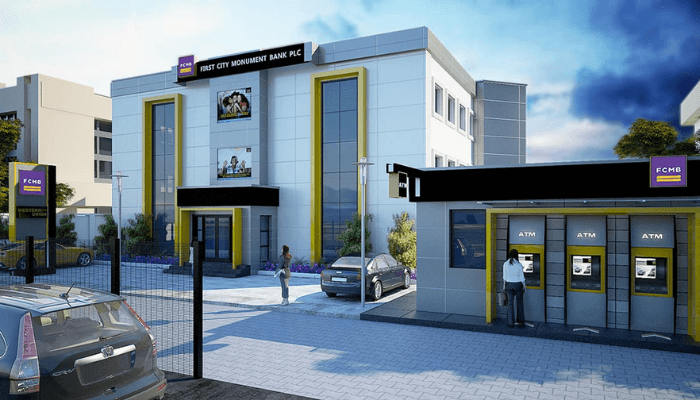
FCMB Group Plc’s pretax profit rose 103 percent to N272.8 billion in the nine months ended September 2026, driven by higher interest income, lower funding costs and improved operating efficiency.
The group’s pretax profit increased from N134.5 billion in the corresponding period of 2025, while gross earnings rose 21 percent to N1 trillion, according to its unaudited financial results released on Saturday.
Profit after tax grew 85.7 percent to N232.9 billion from N125.5 billion a year earlier, while annualised return on average equity increased to 30.1 percent from 22.4 percent.
The improvement followed a 23.4 percent increase in interest income and a three percent decline in interest expenses, as low-cost deposits accounted for a larger share of customer funds.
Net interest income rose 52.3 percent to N534.2 billion from N350.8 billion, while net interest margin increased to 12.3 percent from 10.1 percent in the corresponding period.
The group’s cost-to-income ratio also declined to 43.5 percent from 55.5 percent, despite operating expenses increasing 12.5 percent to N268.9 billion from N239 billion.
Ladi Balogun, chief executive officer of FCMB Group, said fourth-quarter earnings could benefit from seasonal growth in digital lending and payments, alongside lower operating expenses following the recognition of the full 2026 Asset Management Corporation of Nigeria levy in the first nine months.
He added that the group’s nine-month return on equity of 30.1 percent could push its full-year performance above its earlier guidance of 25 percent.
The banking subsidiary, First City Monument Bank Limited, contributed N216.9 billion, or 80 percent, of the group’s pretax profit, representing a 94 percent increase from the previous year. The non-banking businesses and holding company generated N55.9 billion, up 147 percent.
Revenue from digital payments, lending and wealth services increased to N142.5 billion from N113.6 billion, accounting for 14.2 percent of gross earnings.
Despite the earnings growth, the group’s loans and advances to customers declined 8.3 percent to N2.17 trillion at the end of September from N2.37 trillion in December 2025.
The group attributed the decline to corporate loan repayments as businesses improved their cash flows and accessed cheaper funding through commercial paper and bond issuances. This offset growth of more than 20 percent in its digital retail and small business loan portfolio, which reached N315 billion.
Total customer deposits increased 7.1 percent from December 2025, while current and savings account balances rose 24.4 percent to N3.60 trillion. Low-cost deposits accounted for 76 percent of total deposits, compared with 65.4 percent in December.
However, net impairment losses increased to N76.8 billion from N57.1 billion a year earlier, reflecting a clean-up of Stage 2 exposures in the second quarter. The Nigerian bank’s non-performing loan ratio also rose to 6.4 percent from 4.7 percent in June 2026.
Total assets increased 9.7 percent to N8.37 trillion at the end of September, while shareholders’ equity grew 47.8 percent to N1.24 trillion, supported by retained earnings and a first-quarter capital injection of about N227 billion.
The group’s capital adequacy ratio stood at 24.6 percent, while assets under management increased 23 percent to N2.1 trillion from N1.7 trillion in December 2025.

Ayomide Odunlami is a Tax Reporter at BusinessDay, covering Nigeria’s tax reforms, compliance trends, and government revenue strategies. She reports on how evolving tax policies affect businesses, investors, and the broader economy, providing clarity on complex regulatory issues through data-driven journalism.