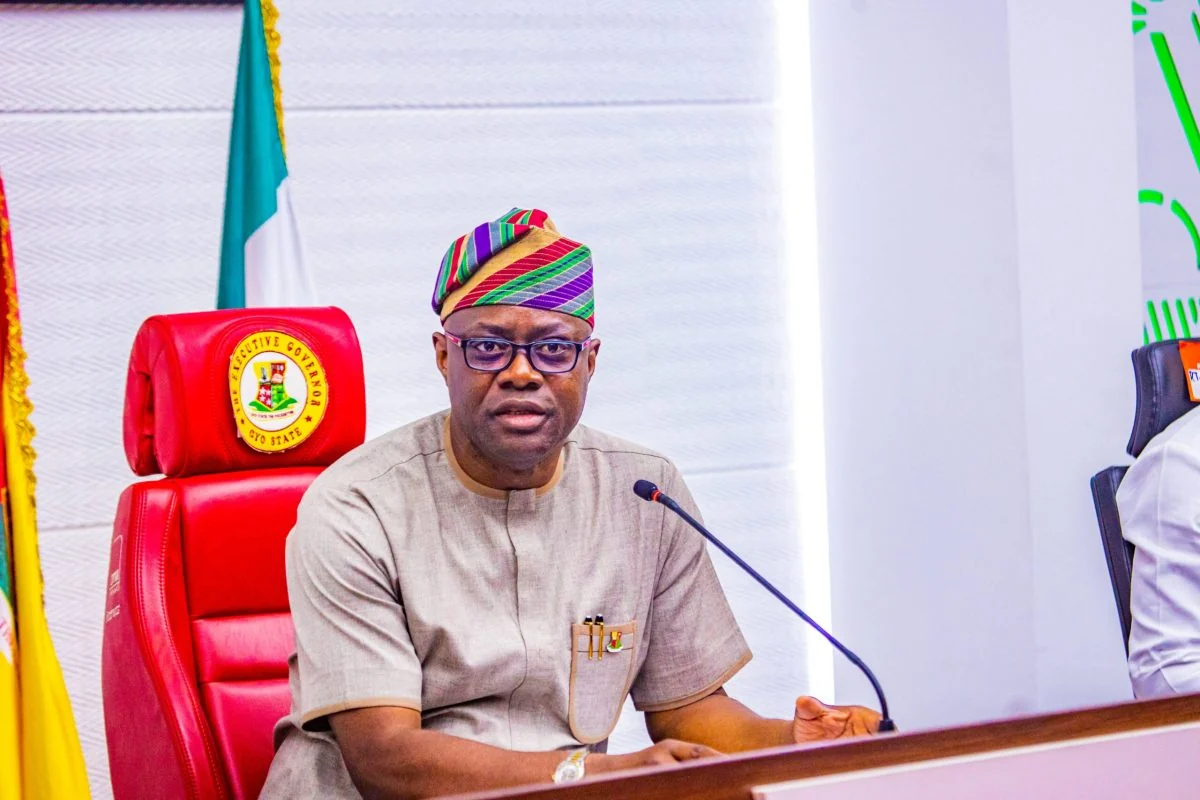



The African Action Congress presidential candidate, Omoyele Sowore, has promised to introduce N100,000 grants per semester for students, saying his party will abolish the Nigerian Education Loan Fund if elected.
Sowore made the promise during a live session on his Facebook page on Friday, arguing that students should not be burdened with debts while pursuing their education.
“The NELFUND that this government has put in place. First, our party is going to abolish NELFUND. We will turn it to grants,” he said.
He said the proposed grants would provide financial support to students without requiring repayment, adding that the policy would replace the existing student loan arrangement.
“We are going to give N100,000 per semester, which is N20,000 more than what they are getting now. For two semesters, you get N200,000 so that you can focus on your studies,” he said.
Sowore argued that Nigeria should avoid introducing a system that could leave graduates struggling with debts, particularly in a country where employment opportunities were limited.
Citing his experience in the United States, where he said he spent 20 years, the AAC candidate described student loans as a source of financial hardship for many graduates.
“The biggest cause of depression in America is student loans,” he said.
He added, “Where are you going to get the employment to pay back the loans? But the truth is that even the loans they are giving to them now, they are not paying back. So it just makes sense to turn it to grants.”
Sowore said a student completing a four-year programme would receive a total of N400,000 under the proposed arrangement, assuming two semesters annually.
He described the amount as a reasonable investment in young Nigerians who would contribute decades of service to the country.
The former presidential candidate also proposed scholarships for students with outstanding academic abilities, saying beneficiaries could be sponsored to study abroad.
“Grants for anybody, whether… scholarships for people who show exemplary ability. We give you scholarship, we send you abroad,” he said.
He advocated increased government investment in education, citing China’s support for students studying abroad as an example of how countries could develop their education systems.
Sowore blamed the decline in Nigeria’s education sector for several of the country’s challenges, arguing that investment in schools was essential to reducing poverty and developing human capital.
He recalled that during his childhood, free education and community efforts to ensure school attendance made education a priority.
The activist also cited the University College Hospital, Ibadan, as an example of Nigeria’s former standing in the health sector, saying members of foreign royal families previously travelled to the country for medical treatment.
He contrasted this with the present situation, where many Nigerians struggle to afford medical treatment abroad.
Sowore further recalled that Indian and Ghanaian teachers worked in Nigerian secondary schools in the 1980s, arguing that the country’s education system had since declined.
He maintained that increased public investment in education was necessary to reverse the trend and improve opportunities for future generations.